In-office treatments for enlarged pores: what each approach involves

Key Takeaways
- Oiliness, clogged pores and reduced skin firmness can make pores more noticeable.
- Treatment goals should distinguish visible pores from acne scars and wider changes in skin texture.
- RF microneedling delivers electrical energy through needle electrodes; lasers deliver light.
- Laser recovery varies with whether the outer skin layer is removed.
Pores that remain noticeable after cleansing can be frustrating, especially across the nose and cheeks. Oiliness, clogged pores and reduced skin firmness can all contribute. In-office options include microneedling and laser procedures; this article explains how they work, where RF microneedling differs, and what recovery can involve.
Why can pores look larger?
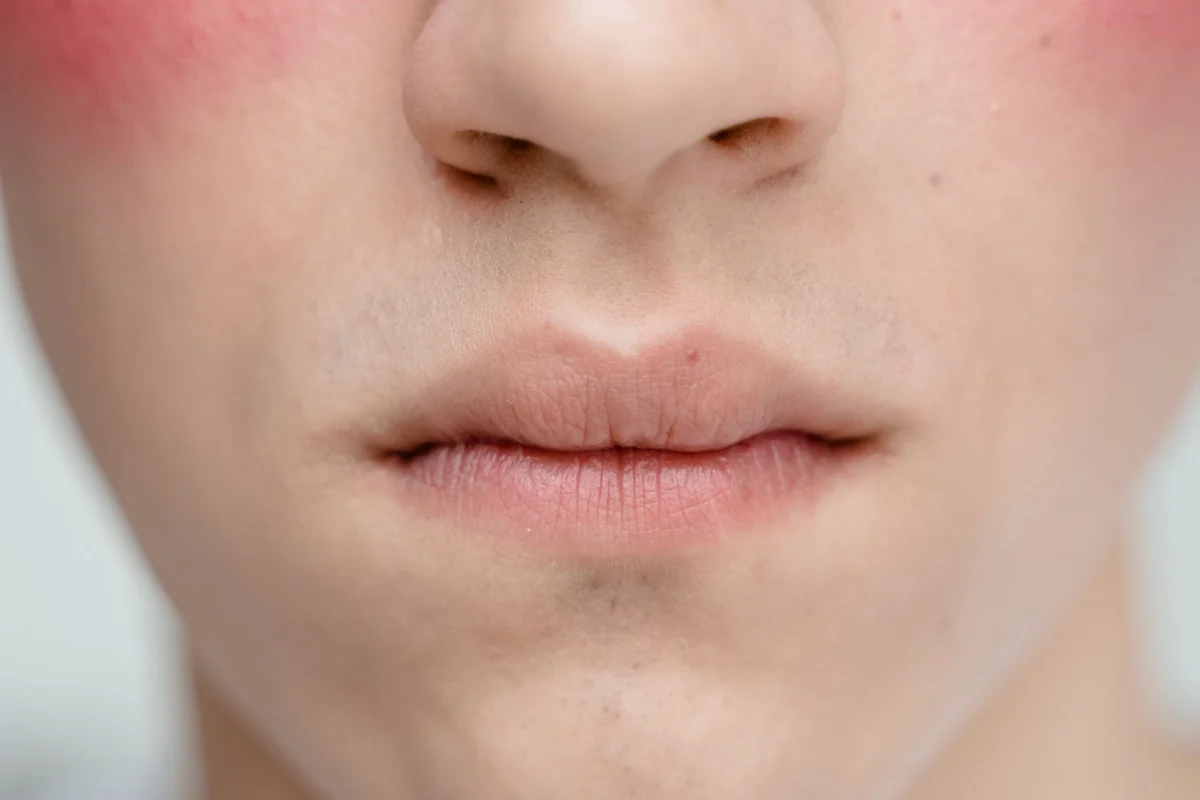
Pores may become more noticeable when they are clogged or the skin is oily. Sun damage and age-related loss of firmness can also contribute. Scrubbing or repeatedly squeezing the skin can cause irritation that makes pores stand out further. (What can treat large facial pores?)
Pore size also has a genetic component. Changes in the skin's supporting proteins, collagen and elastin, can affect how prominent pores look. (7 Ways To Minimize Pores)
Which in-office procedures are used for enlarged pores?
Microneedling and laser resurfacing are used to make pores less noticeable. Microneedling creates small punctures that stimulate the skin's repair response. RF microneedling adds localized heating through needle electrodes. (7 Ways To Minimize Pores, Microneedling can fade scars, uneven skin tone, and more)
In laser resurfacing, light rather than a needle electrode acts on the skin. An ablative laser removes the outer skin layer and heats the tissue beneath it. A nonablative laser delivers heat without removing that outer layer. Either approach may use fractional delivery, which treats narrow columns separated by untreated skin. “Ablative” and “fractional” therefore describe different aspects of a laser procedure. (Laser resurfacing)
| Approach | How it reaches the skin | Distinguishing feature |
|---|---|---|
| Needle-only microneedling | Fine needles puncture the skin | Mechanical needling without RF delivery |
| RF microneedling | Needles enter the skin and act as electrodes | RF energy adds local heating |
| Laser resurfacing | A light beam acts on the treated area | No needle electrode; delivery varies by laser method |
How are RF microneedling tips constructed?
RF microneedling needles may be insulated or non-insulated. In an insulated design, coating covers part of the shaft and leaves an exposed tip to deliver current. In a non-insulated design, the needle's length acts as the electrode. (Physics of fractional microneedle radiofrequency – A review)
Needle depth describes how far the needle enters the skin, while insulation describes which part of the inserted needle can conduct current.
What should you consider when discussing treatment for enlarged pores?
The treatment discussion should distinguish prominent pores from surrounding texture and acne scars. Acne scars are depressions left after acne and can occur in the same area as visible pores. A claim about smoother-looking skin is not necessarily a measurement of pore size.
The sources cited here describe microneedling and laser procedures but do not compare their effectiveness for enlarged pores. Regardless of the procedure, oiliness and irritation still need to be managed.
What can recovery involve?
Results and recovery vary between individuals.
After microneedling, skin may be red or darker in appearance, swollen, or uncomfortable. Laser resurfacing may also cause swelling and changes in skin color, and infection or scarring can occur. Ablative resurfacing removes the outer skin layer, which must regrow during healing; nonablative treatment leaves that layer in place and generally has a shorter recovery. (Microneedling can fade scars, uneven skin tone, and more, Laser resurfacing)
For RF microneedling, the FDA has received reports of burns, scarring, fat loss, disfigurement, and nerve damage with certain uses. Some injuries have required medical or surgical treatment. These are medical risks to consider alongside the intended change in pore appearance. RF microneedling is a medical procedure requiring trained professional care. (Potential Risks with Certain Uses of Radiofrequency (RF) Microneedling – FDA Safety Communication)
Sources
- What can treat large facial pores? ↗
- 7 Ways To Minimize Pores ↗
- Laser resurfacing ↗
- Microneedling can fade scars, uneven skin tone, and more ↗
- Physics of fractional microneedle radiofrequency – A review ↗
- Potential Risks with Certain Uses of Radiofrequency (RF) Microneedling – FDA Safety Communication ↗
Frequently asked questions
Can you find out which in-office device treatments are most effective for enlarged pores?
Microneedling and laser resurfacing are in-office options used to make pores less noticeable. The evidence cited here does not establish one as the most effective option or show that adding RF is better for enlarged pores. Oiliness, clogging and reduced firmness can contribute to pore visibility; separate acne scars may also affect the surrounding texture.
Are pores and shallow acne scars the same concern?
Pores are openings in the skin; shallow acne scars are depressions left after acne. They can occur in the same area, but a plan should distinguish them instead of treating every small depression as a pore.
Should I scrub more before booking a procedure?
Aggressive scrubbing and repeated squeezing can irritate the skin and make pores more noticeable.
How do insulated and non-insulated RF microneedles differ?
An insulated RF microneedle has a coating over its shaft, leaving an exposed tip that acts as the electrode. With a non-insulated needle, the conductive surface extends along the needle's length. This describes which part of the needle can conduct current into tissue, while insertion depth describes how far the needle enters the skin.
This content is for general information only and does not guarantee the results of any treatment. Any treatment decision should be made in consultation with a qualified medical professional.