Treating pores and skin laxity together: what makes a good combination?

Key Takeaways
- Pores look larger than usual for several reasons: clogging, oil, sun damage, and the loss of the collagen and elastin that support them. Skin that loses firmness starts to sag, and pores look larger once it does.
- Skin care mainly clears clogging and oil; cleansing twice a day unclogs pores and reduces oiliness. In-office procedures such as microneedling and laser treatment stimulate the collagen that supports pores.
- A useful combination gives each part of the plan a separate job. Skin care addresses oil and clogging, while an in-office procedure may target the collagen that supports pores and firmer skin.
- Each procedure has a recovery period and risks of its own, and both remain when two procedures are scheduled together.
Pores can look larger as skin loses firmness because collagen and elastin support both the skin and the tissue around pores. A treatment plan can address that shared factor. The sources cited here do not compare a paired plan with either procedure used alone.
Treatment combinations for enlarged pores and skin laxity
A useful combination assigns each part of the plan a specific target. Skin care can reduce oil and clogging, while an in-office procedure may stimulate the collagen that supports the skin around pores and contributes to firmness. If non-invasive RF and microneedle RF are used in the same plan, the surface electrodes and needle electrodes should have separate roles. The cited sources do not show that using both routes produces a better result than using either route alone.
Cleveland Clinic describes collagen and elastin as the proteins that provide structural support for pores; as both are lost with age, pores widen, and when ultraviolet light breaks them down, skin firmness drops and pores grow larger. (7 Ways To Minimize Pores) The American Academy of Dermatology (AAD) adds what happens to firmness itself: with age, skin loses its firmness and starts to sag, and pores look larger once skin sags. (What can treat large facial pores?)
Because the two concerns share a loss of structural support, one collagen-stimulating procedure may be relevant to both. Oil, clogging, and inflammation still require their own part of the plan.
Why enlarged pores can look larger as skin loses firmness
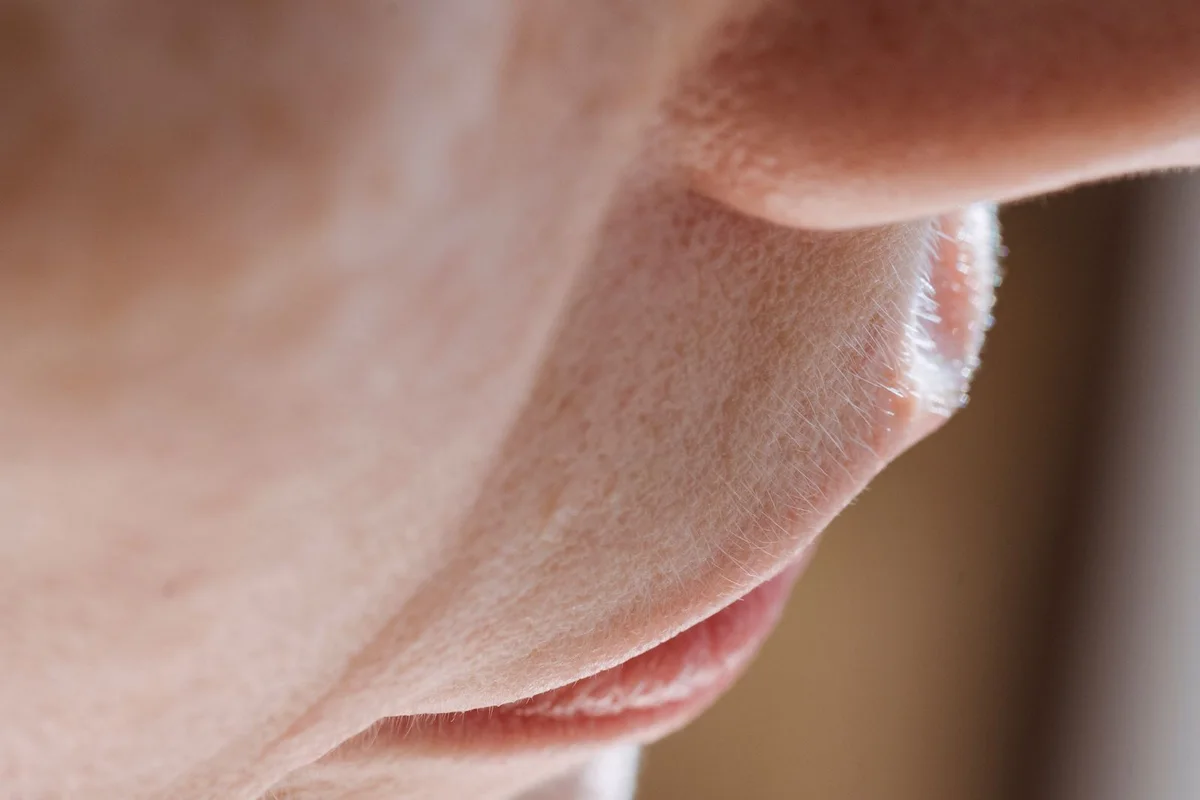
Pores look larger than usual for several reasons, and loss of firmness is only one of them. Pores are the openings through which sweat and oil reach the skin surface. When oil and debris block that opening, the pore expands and looks more noticeable. An oily complexion also makes pores look larger. Sun damage reduces firmness, and less firm skin makes pores more noticeable.
| Factor | What the sources describe |
|---|---|
| Genetics | Pore size is set mostly by genetics and cannot be reduced for good |
| Clogging | A clogged pore expands and looks more noticeable |
| Oil | An oily complexion makes pores look larger |
| Sun damage | The more sun damage, the less firmness the skin has |
| Loss of collagen and elastin | Both proteins are lost with age, and pores widen as they are lost |
| Loss of firmness | Skin that loses firmness starts to sag, and pores look larger when it does |
Pore size is mostly genetic, so treatment changes how visible pores look rather than removing them. Skin care can reduce oil and clogging; in-office procedures can stimulate the collagen that supports the surrounding skin.
Microneedling and laser treatment for enlarged pores
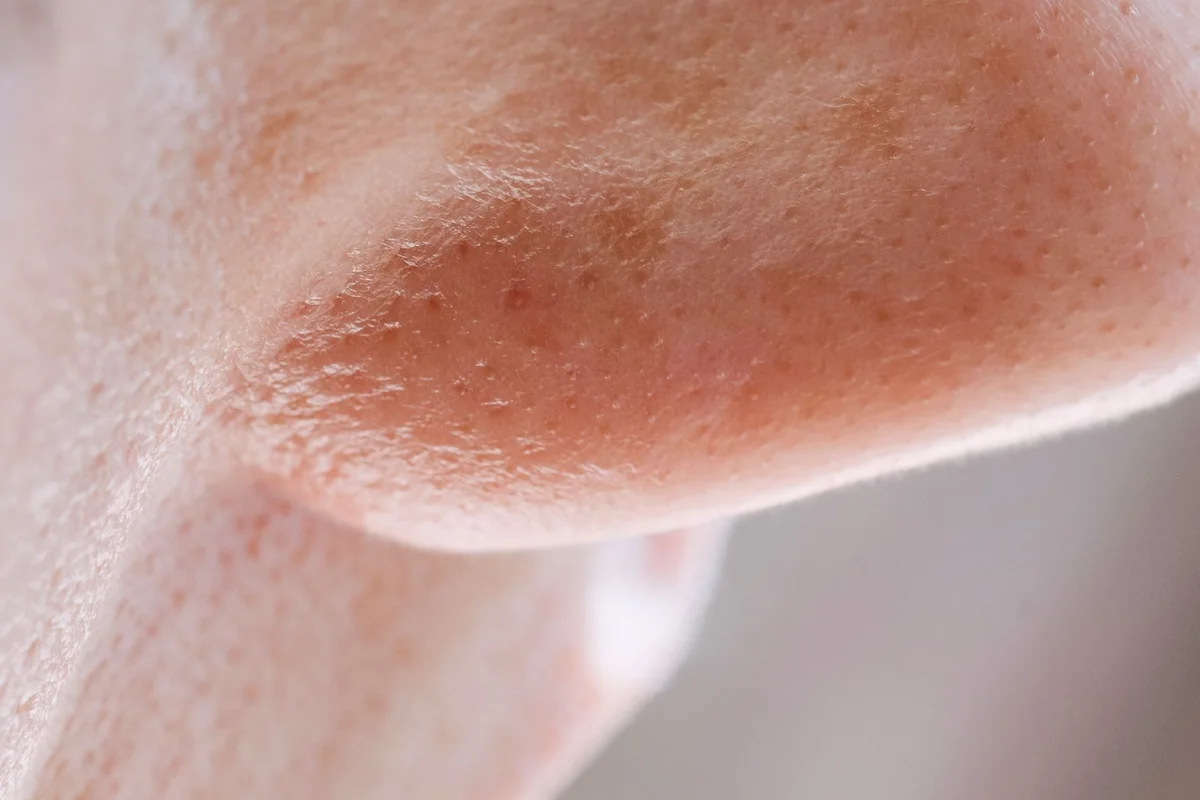
Cleveland Clinic lists two in-office procedures for pores, microneedling and laser treatment, and presents both as ways to shrink pores by stimulating collagen. The same page says that pore size cannot be reduced for good, so what changes is how the pores look. In microneedling, a device with very small sterile needles makes tiny punctures in the skin; the punctures trigger collagen production, which strengthens the supportive structure around pores. In laser treatment, the laser exfoliates the top layer of skin and stimulates collagen to form below it.
The AAD lists large pores and sagging skin among the conditions dermatologists use microneedling to diminish, and it explains that microneedling works by stimulating the body to make collagen. Results of microneedling appear gradually as that collagen is produced: some improvement may be visible within a few weeks, and the full result usually takes several months. (Microneedling can fade scars, uneven skin tone, and more)
| Procedure | How energy or injury reaches the skin | What the cited sources say it does |
|---|---|---|
| Microneedling | Fine needles puncture the skin | Triggers collagen production around pores |
| Laser treatment | Laser light is applied to the skin surface | Exfoliates the top layer and stimulates collagen below it |
How non-invasive RF and microneedle RF differ in a combined plan
The word combination should identify what each step is meant to do. Laser acts from the skin surface, conventional microneedling creates controlled punctures, non-invasive RF uses electrodes on the skin, and microneedle RF uses inserted needles as electrodes.
Radiofrequency can be delivered through either route. A physics review states that needle electrodes carry RF energy into the dermis and tissue beneath it, while surface electrodes begin delivery at the skin surface. (Physics of fractional microneedle radiofrequency – A review) No cited source compares a specific pair with a single procedure, so the delivery routes alone do not establish an added effect.
For pores and skin laxity, the relevant difference is the tissue target. Non-invasive RF begins with electrodes on the skin. Microneedle RF places the active electrodes in or beneath the dermis. Within microneedle RF, insulation changes which section of the needle conducts, while depth, power, exposure time, and pass pattern change where energy is delivered. These features describe two delivery routes; they do not by themselves establish added efficacy, less pain, or fewer complications. (Physics of fractional microneedle radiofrequency – A review)
Recovery when pore and skin laxity procedures are combined
After microneedling, the skin can be red or darker than usual and may feel sunburned, with mild burning, discomfort, or swelling. The AAD says these reactions usually settle within a few days to a week and warns that inadequate medical training increases the risk of infection, scarring, and long-lasting discoloration.
When a plan includes another procedure, its recovery period and aftercare remain separate. The written plan should identify the order, interval, and expected recovery for each step rather than treating the combination as one procedure.
Sources
Frequently asked questions
I want to fix both pores and skin laxity. Can you recommend a good treatment combo?
The cited sources do not test a fixed pair. A useful plan gives each step a separate target: skin care for oil and clogging, and an in-office procedure for the collagen that supports pores and firmer skin. If non-invasive RF and microneedle RF are paired, the plan should state what the surface and needle electrodes are each intended to address.
Can pores be permanently shrunk?
No. Pore size is mostly a result of genetics and cannot be reduced for good, according to Cleveland Clinic. Keeping the pore clear of oil and debris makes it look smaller, and so does stimulating the skin to make more collagen and elastin. The right skin care also makes pores less noticeable, as the American Academy of Dermatology states.
If my skin becomes firmer, will my pores look smaller?
According to the American Academy of Dermatology, loss of firmness makes pores more noticeable, and sagging makes them look larger. Cleveland Clinic names the proteins involved: collagen and elastin provide structural support for pores, both are lost with age, and when they break down the skin loses firmness and pores grow larger. Stimulating those proteins is one way to make pores look smaller; pore size itself cannot be reduced for good.
Does getting two treatments together mean better results?
No. The cited sources do not compare a pair with either procedure used alone, so they do not establish an added result. Each procedure retains its own recovery period, risks, and aftercare requirements.
Which AAD skin tightening procedures (radiofrequency, ultrasound, laser) are used for skin laxity, and do they also treat pores?
The American Academy of Dermatology lists ultrasound, radiofrequency, and laser treatment as non-invasive options for loose or sagging skin, but that page does not discuss pores. It describes ultrasound as sending heat deep into the skin, radiofrequency as heating tissue beneath a device placed against the skin, and some lasers as sending heat deep without wounding the top layer. The page says one ultrasound treatment may produce modest lifting and tightening within two to six months; most people have one radiofrequency treatment, with results developing over about six months; and laser treatment may require three to five sessions, with results appearing two to six months after the last one. Those are skin-tightening timelines, not evidence that the procedures treat pores, and results vary between individuals.
What does the American Academy of Dermatology say about enlarged pores and a retinoid if I am also having laser or radiofrequency skin laxity treatment?
The American Academy of Dermatology discusses retinoid skin care for pore appearance and office procedures for tightening on separate pages; neither page gives a schedule for combining them. Its large-pore page says that when skin is oily, mildly affected by acne, or less firm than it once was, a product containing retinol or retinyl palmitate may help. The page also explains that sagging makes pores look larger and that a dermatologist can assess which procedure may tighten the skin. Its skin-tightening page says a cream or lotion cannot penetrate deeply enough to lift sagging skin, although a retinoid such as retinol may produce a small change by helping the body make more collagen. The AAD notes that retinol products may irritate the skin and should not be used during pregnancy or breastfeeding.
This content is for general information only and does not guarantee the results of any treatment. Any treatment decision should be made in consultation with a qualified medical professional.